3 hr
Hong Kong Street Food & Culture Walking Tour
- Expert local guide
- Small group
- Skip-the-line access
- Free cancellation
Victoria Chinatown Food Tour — Heritage Flavours & Guided Walks
Dim sum counters and century-old bakeries, narrated block by block
Compare fares, pick the fit — all bookings are mobile-voucher and eligible for free cancellation where shown.
3 hr
2 hr 30 min
3 hr
Selecting the right victoria chinatown food tour experience allows you to immerse yourself in the culinary heritage and historic landmarks of Victoria's oldest neighbourhood. Whether you seek a classic guided walking route or a flexible independent discovery, these options provide essential access to local hidden gems.
|
Top pick Guided Culinary Walk Expert-Led Group |
Self-Guided Digital Tour Flexible App-Based | |
|---|---|---|
| Duration | 2 hours | Flexible |
| Culinary Stops | 7–8 tastings | Varies |
| Access Method | Live guide | Mobile app |
| Best for | First-timers | Independent explorers |
| See tickets & prices |
Verdict: For the most comprehensive introduction to these local landmarks, the guided victoria chinatown food tour tickets are recommended to ensure you do not miss the hidden architectural details and historical storytelling.
Worth it for culinary explorers seeking authentic flavors
Victoria's Chinatown food tours deliver genuine value through curated tastings across Canada's oldest Chinatown, established in 1858. Tours like the Hong Kong Street Food & Culture Walking Tour and culinary walks with dim sum and roasted goose provide guided access to family-run eateries, hidden dai pai dong-style vendors, and heritage bakeries along Fisgard Street that casual visitors often miss. You're paying for local expertise that connects historic context with authentic Cantonese, Szechuan, and modern fusion stops—eliminating guesswork when navigating Fan Tan Alley's maze of storefronts. The victoria chinatown food tour experience works best for travelers who value storytelling alongside their dumplings and roast duck, as guides weave immigration history, architectural details, and vendor relationships into each tasting stop. Budget roughly 2.5–3 hours and come hungry—portion sizes across multiple vendors add up to a full meal. Solo eaters and small groups gain the most, since guides facilitate introductions and explain menu items you'd likely skip on your own.
Bottom line: Book a victoria chinatown food tour if you want expert-led access to authentic flavors and stories you'd miss exploring solo—skip it if you prefer self-paced grazing or already know the district well.
They complement each other; most visitors who do both call the guided victoria chinatown food tour the more immersive way to uncover hidden culinary gems. For those who prefer flexible schedules, a self-guided victoria chinatown food tour tour provides freedom to linger at your own pace.
|
Top pick Guided Food Tour |
Self-Guided Exploration | |
|---|---|---|
| Duration | 2–2.5 hours | |
| Price | ~100 CAD (summer) | |
| Stops Included | 6–8 curated tastings | |
| Navigation | Expert guide-led route | |
| Intensity | Easy walking (1.5–2km) | |
| Best Time | 10:00–16:00 | |
| Booking | Required online in advance | |
| Insider Access | Local stories and history | |
| See tickets & prices |
Verdict: Choose the guided victoria chinatown food tour tickets for curated, skip-the-line-style tastings and historical context, or opt for self-guided exploration to save on fees and explore Fisgard Street independently.
Hand-picked experiences loved by thousands of travelers
4–5 hours
Free Cancellation
Savor Michelin-recognized street eats and dive into authentic Kowloon neighborhoods with a local guide.
6 hours
Free Cancellation
Discover Hong Kong's heritage, culture, and cuisine on a guided 6-hour exploration with Peak Tram ride
4 hours
Free Cancellation
Explore authentic markets and food stalls with a passionate local in Kowloon or Sheung Wan neighborhoods
5 to 7 hours
Free Cancellation
Ride the iconic funicular railway, wander through colonial heritage sites, and savor Michelin-starred bites
4-5 hours
Free Cancellation
Explore the city's culinary heritage through family-run eateries, historic teahouses, and iconic street food
3 hours
Free Cancellation
Discover Hong Kong's culinary soul on a 3-hour guided tasting journey through markets and street stalls
2 hours
Free Cancellation
Discover the financial heart of Hong Kong through local eyes on this 2-hour guided walk
2 to 6 hours
Free Cancellation
Discover Hong Kong's hidden layers on a fully personalized walking adventure tailored to your interests.
Meet your guide on Fisgard Street.
Learn about local history at the gates.
Visit multiple historic district food venues.
Final recommendations for local shopping.
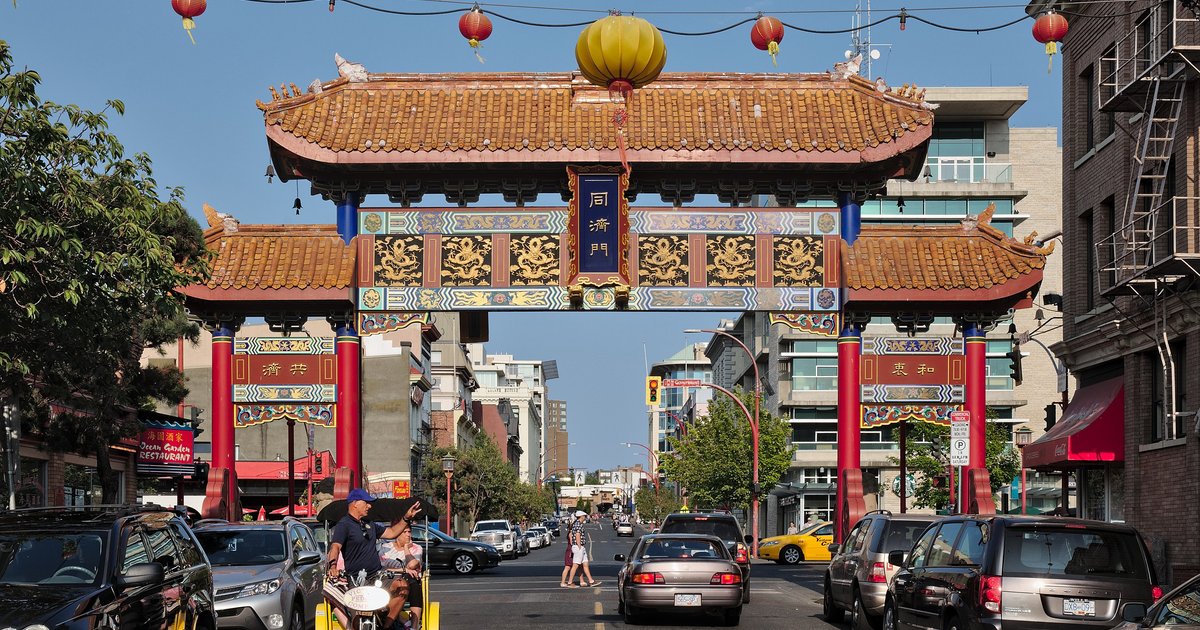
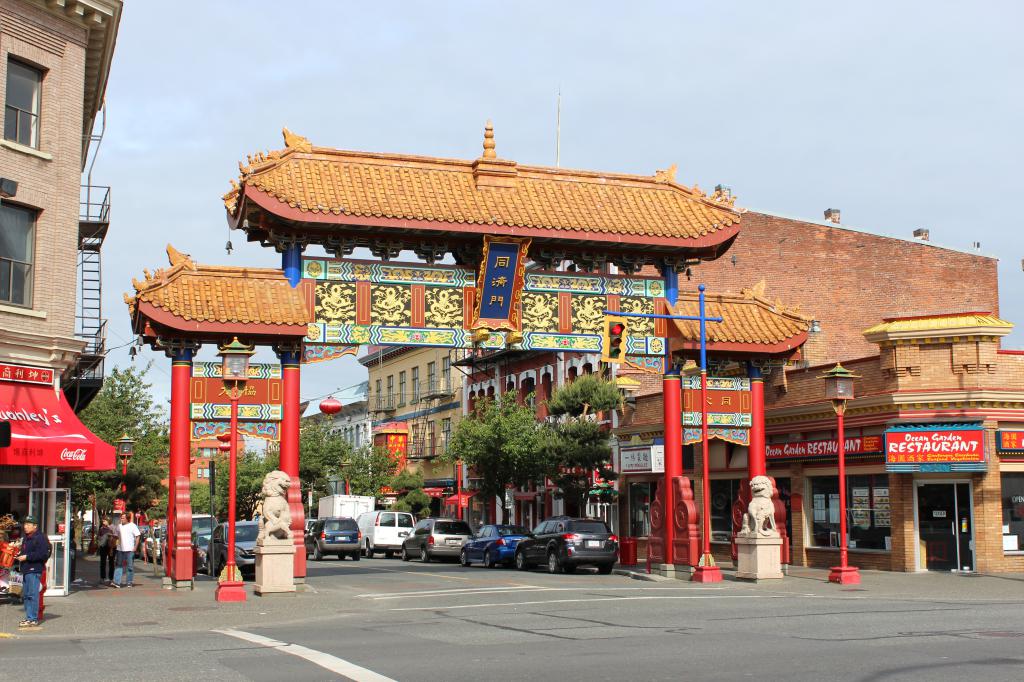
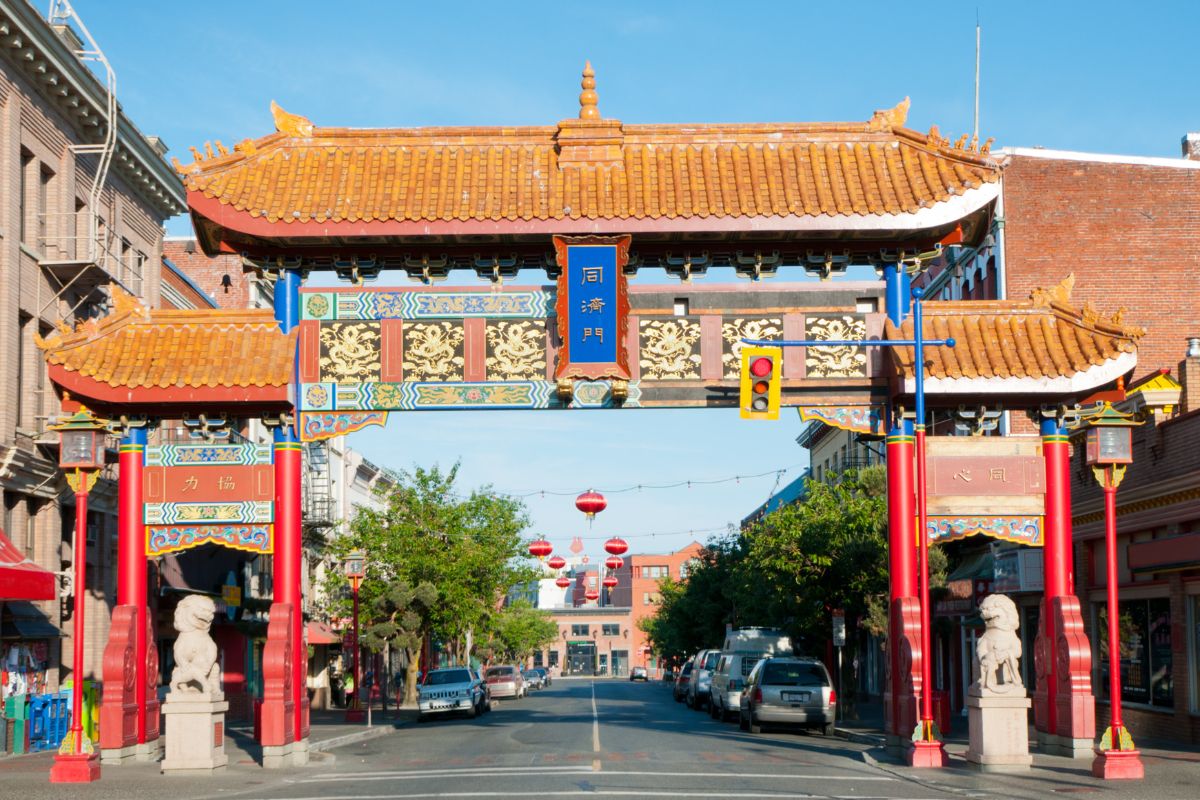
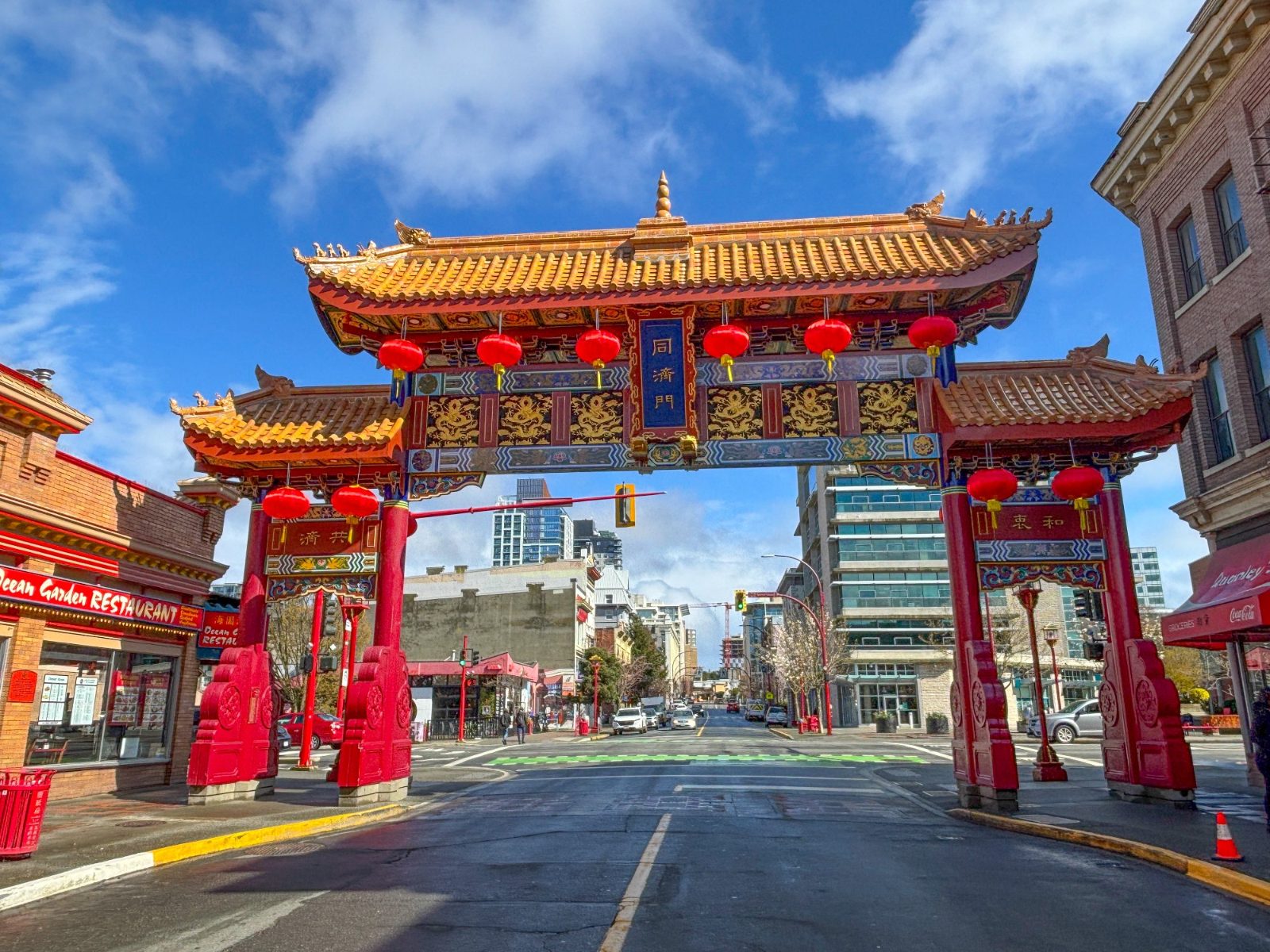
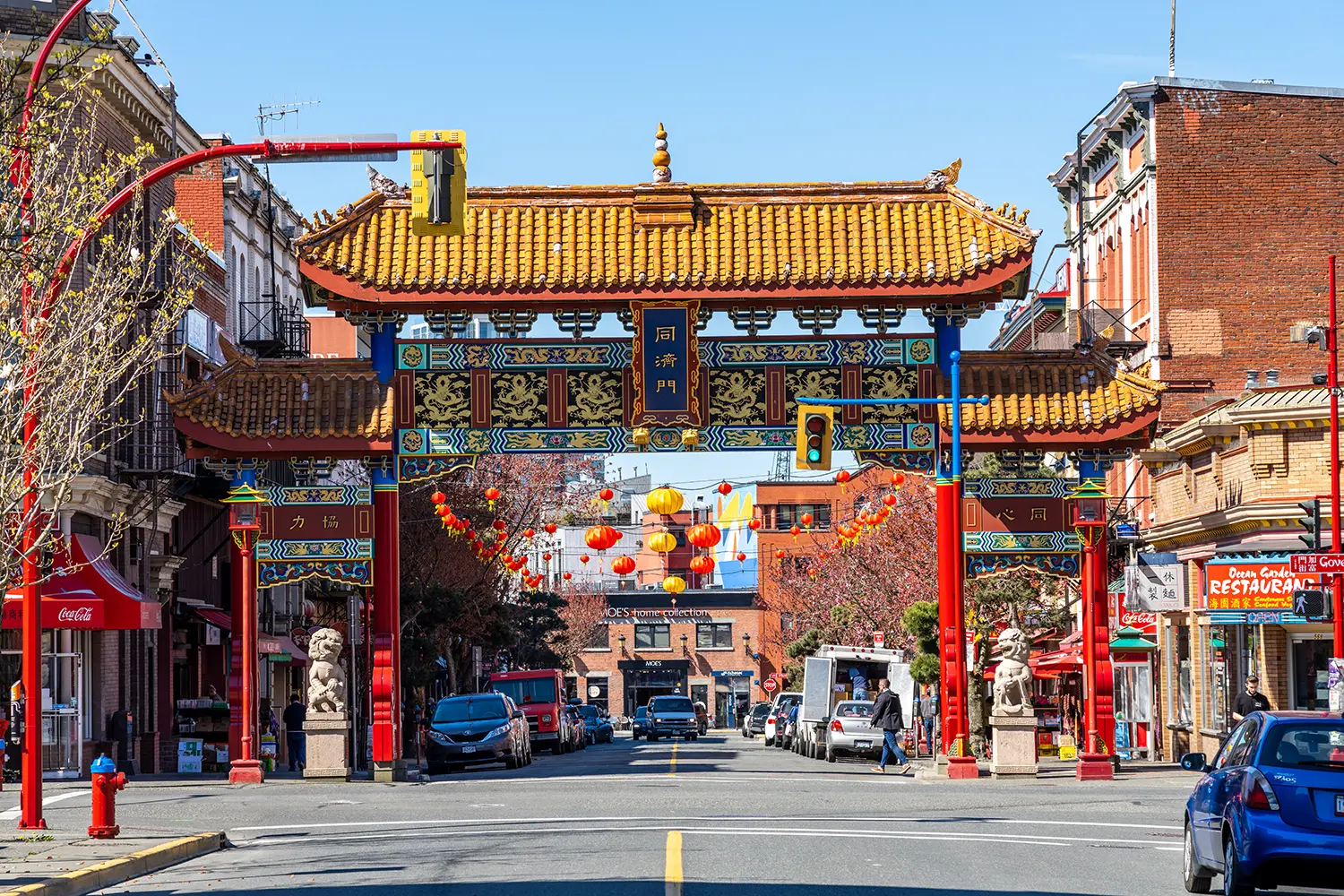
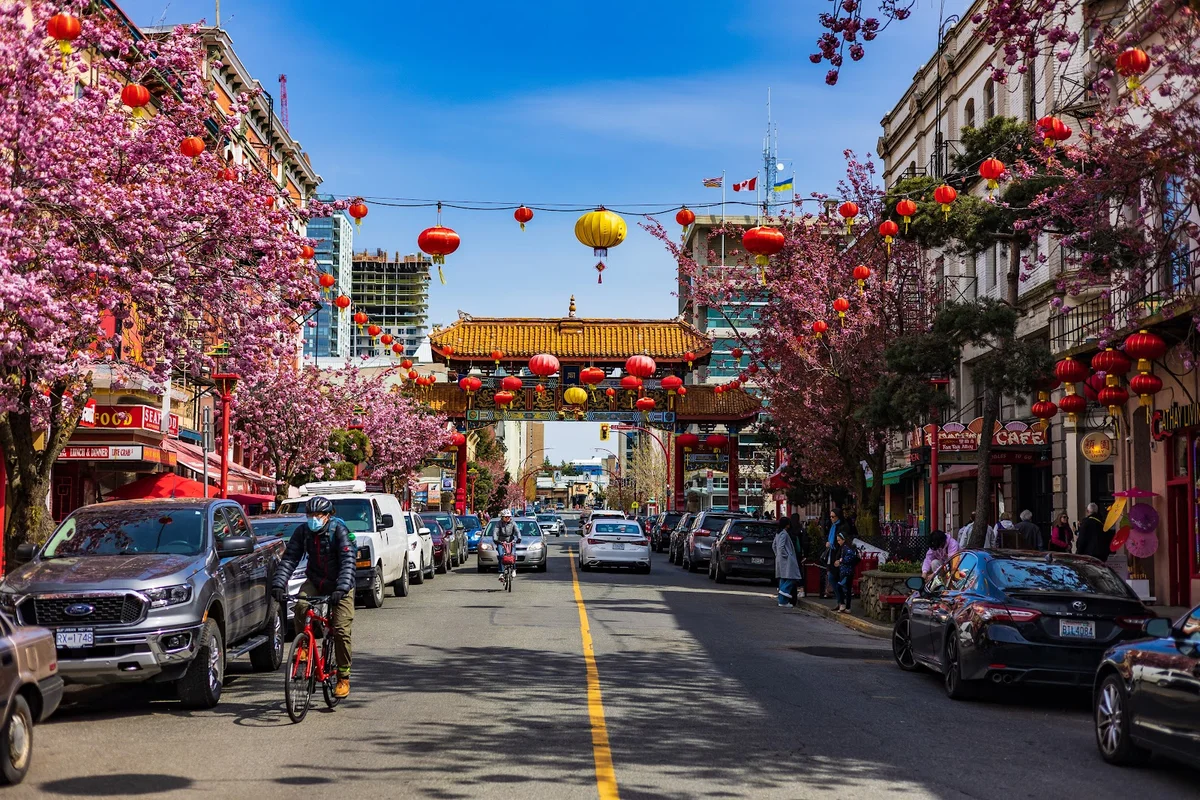
Features traditional Chinese architectural elements and two stone lions. It is the iconic entrance for every victoria chinatown food tour.
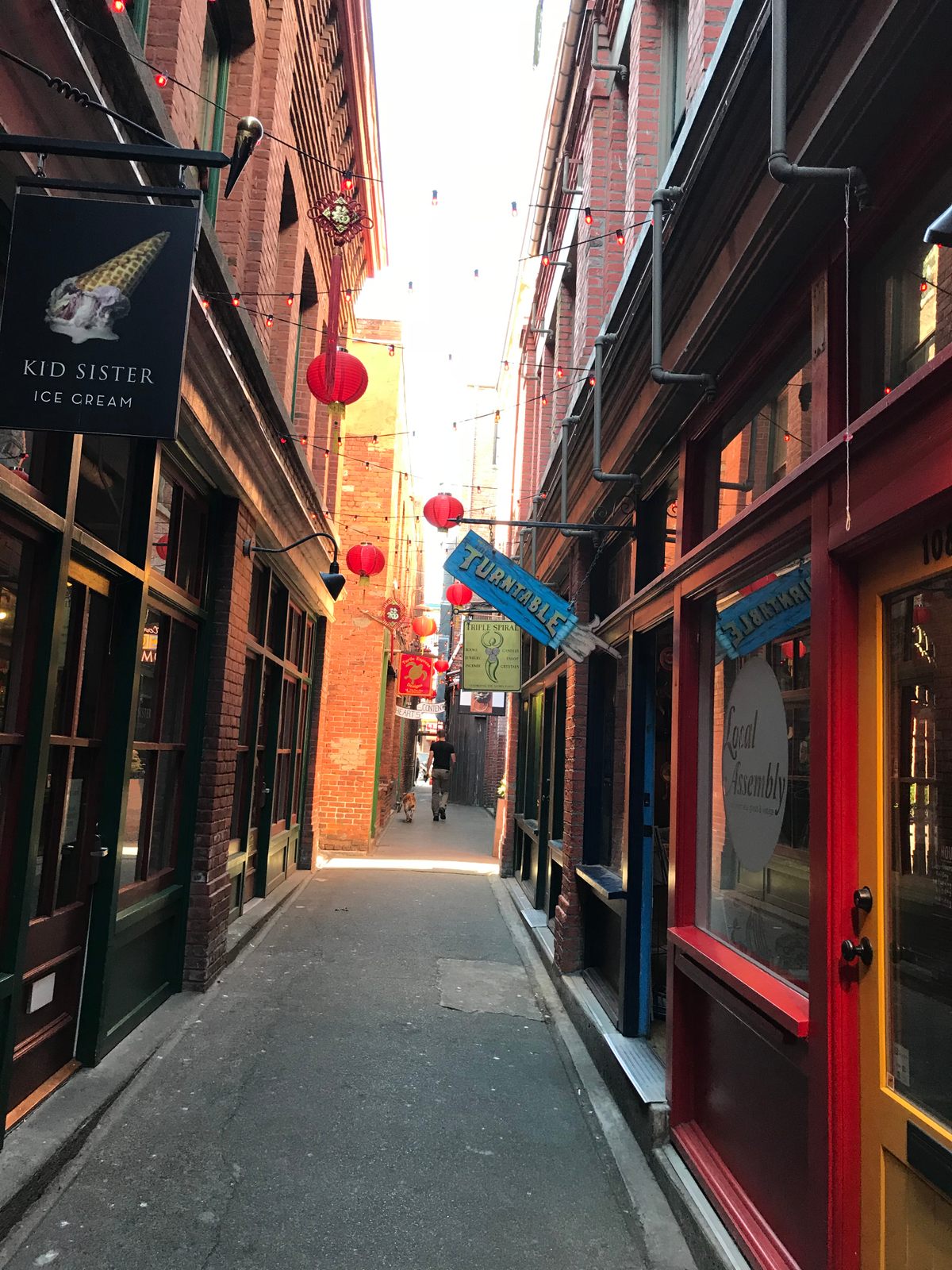
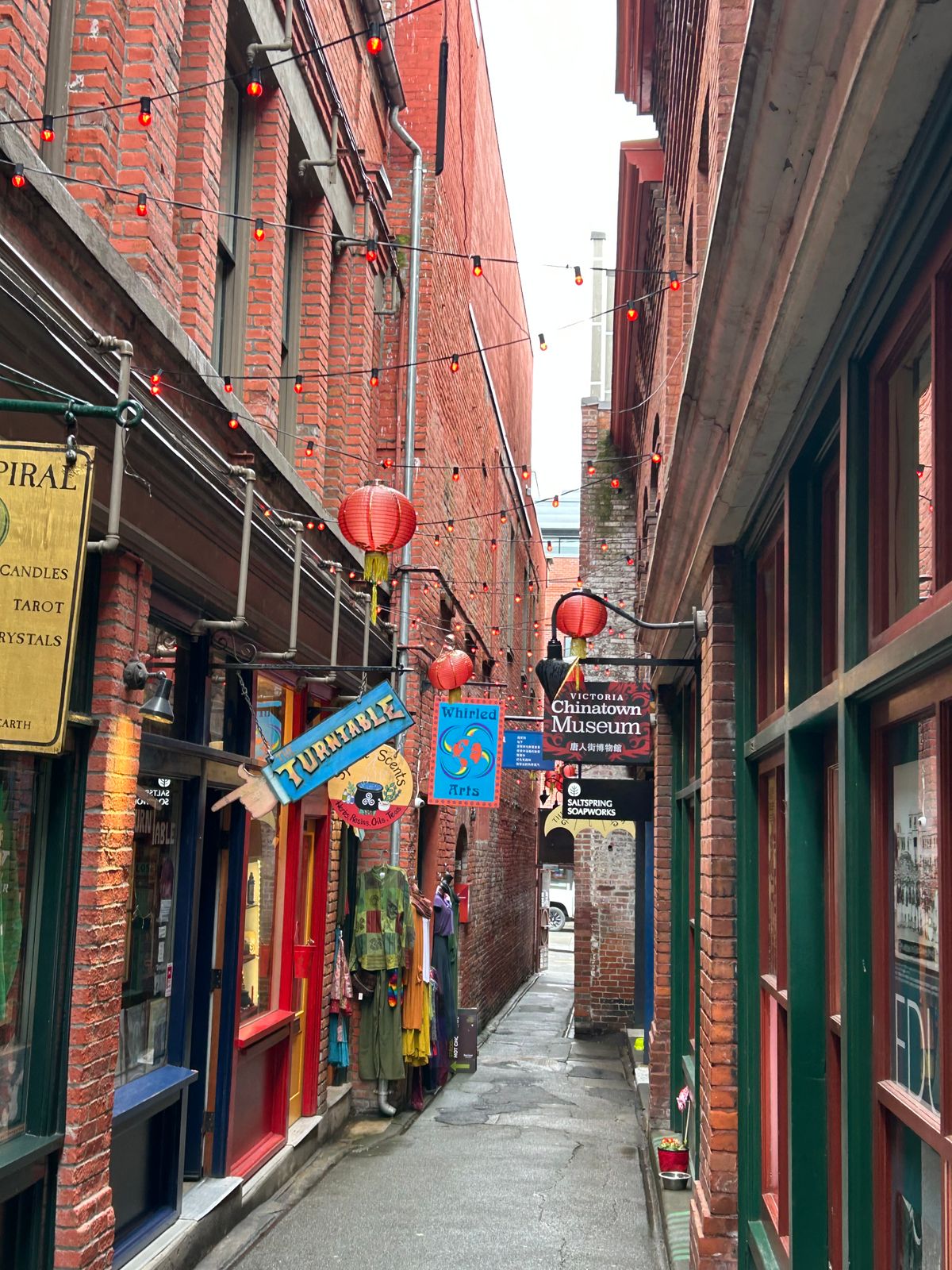
This is the narrowest street in Canada, measuring less than one meter wide in places. It is a signature stop on any victoria chinatown food tour.
One of the oldest Chinese temples in Canada, established in 1876. It showcases intricate wood carvings and spiritual artifacts.
A historic building that served as a center for education and culture in the community. It remains a key landmark for visitors.
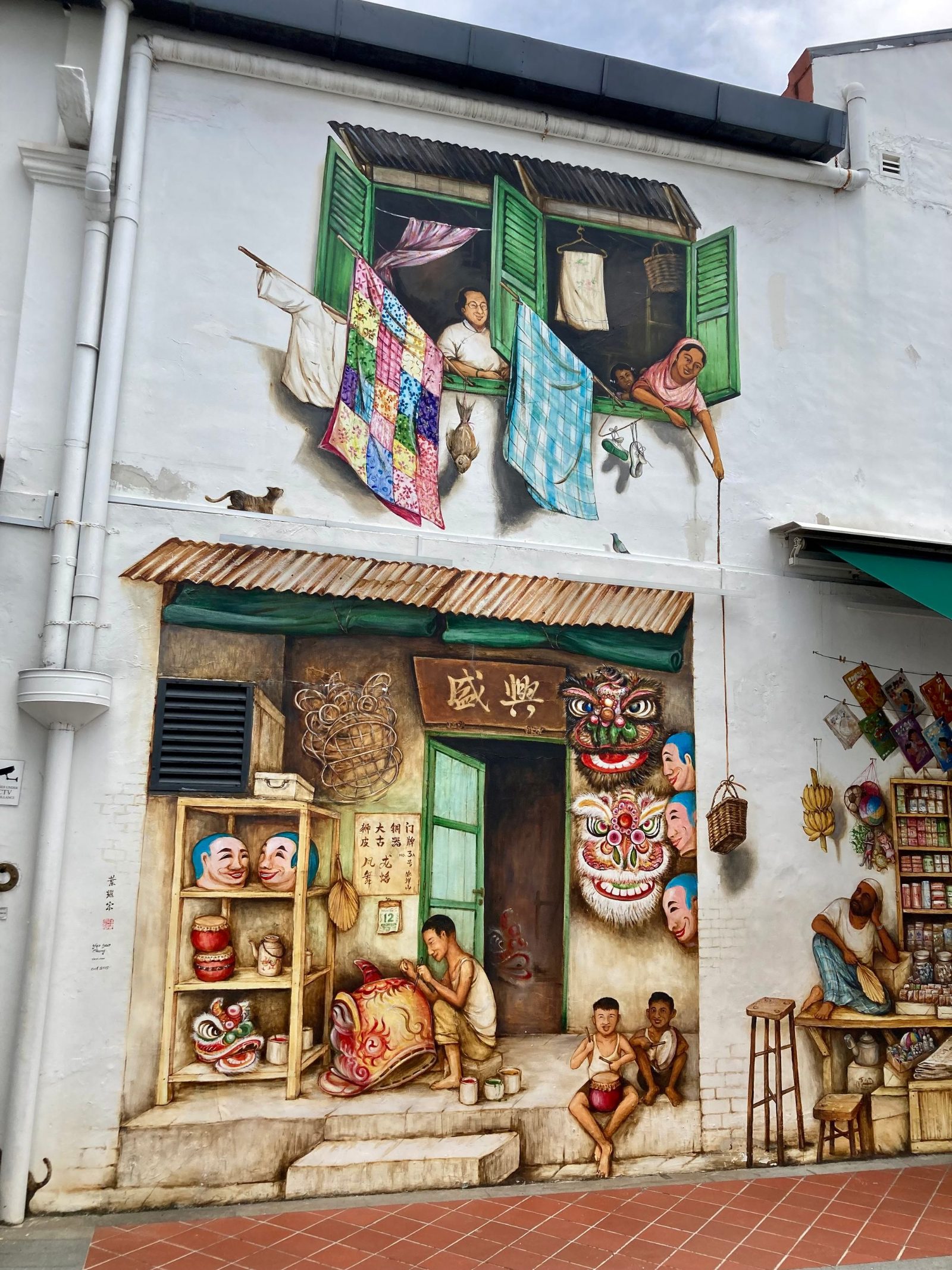
Vibrant murals decorate many of the historic buildings in the area. They provide excellent photo opportunities during your tour.
You enter through the Gate of Harmonious Interest at mid-morning, when the bakeries along Fisgard have just finished their second batch of char siu bao—barbecued pork buns with a faint sweetness that clings to the dough.
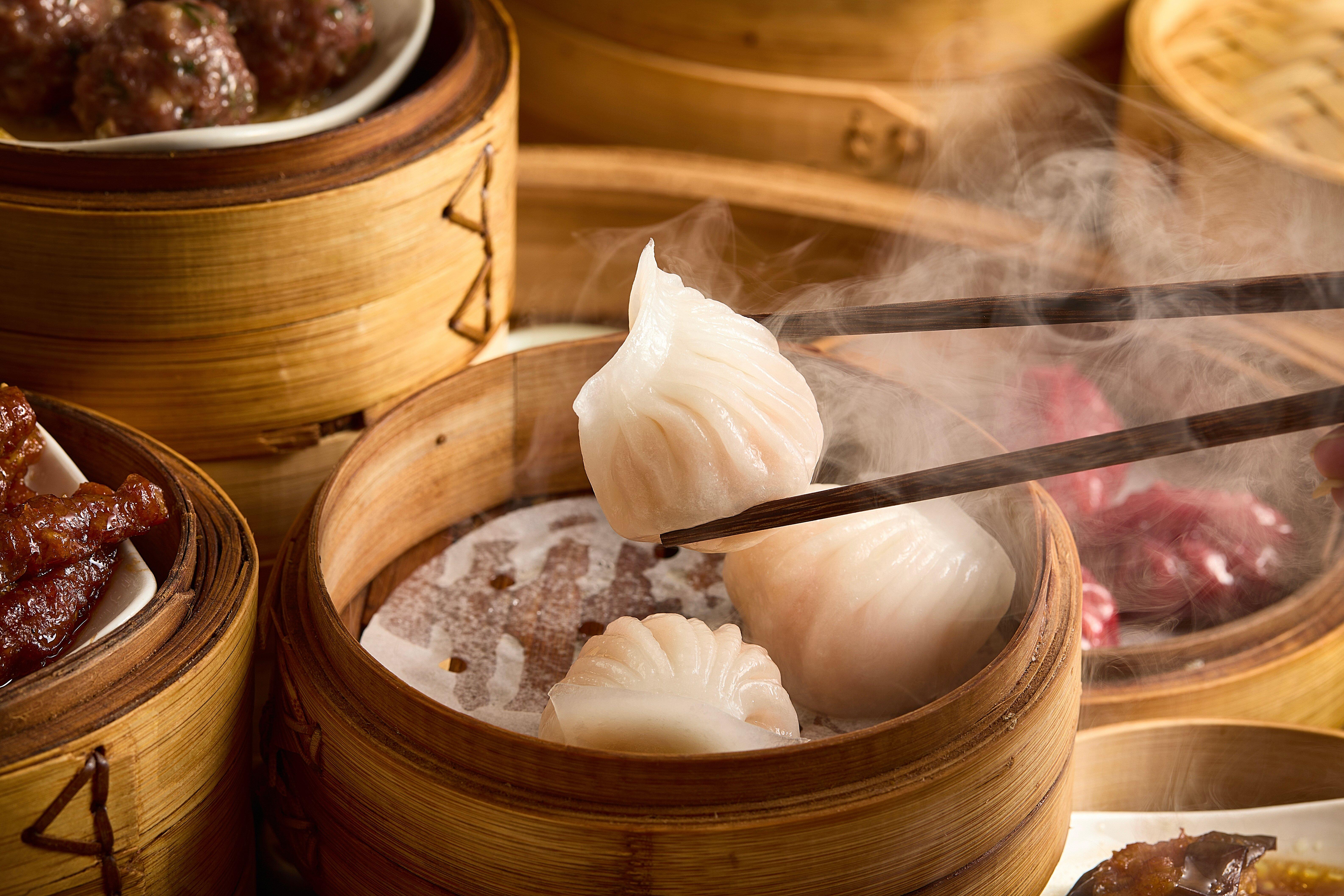
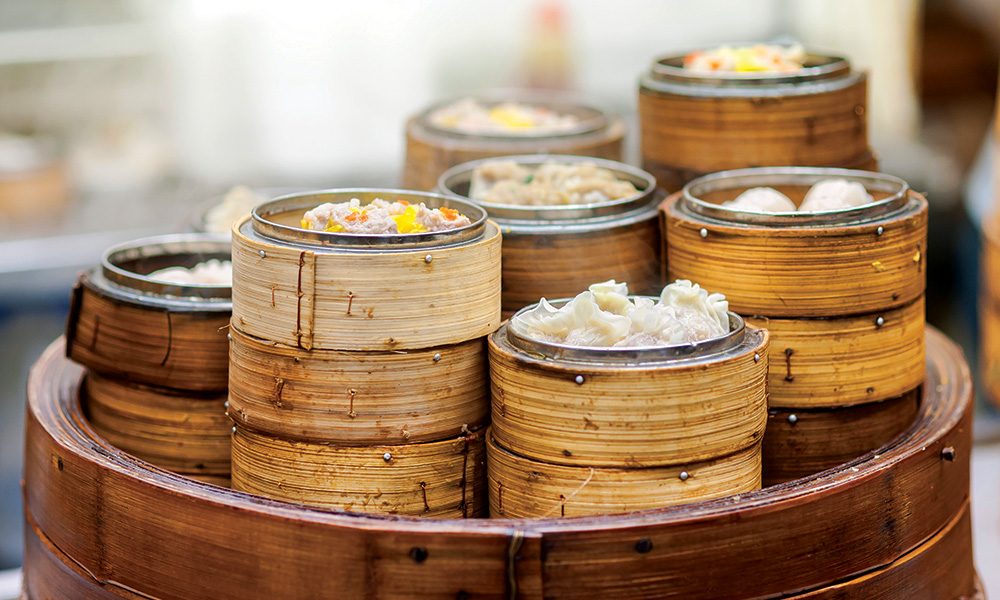
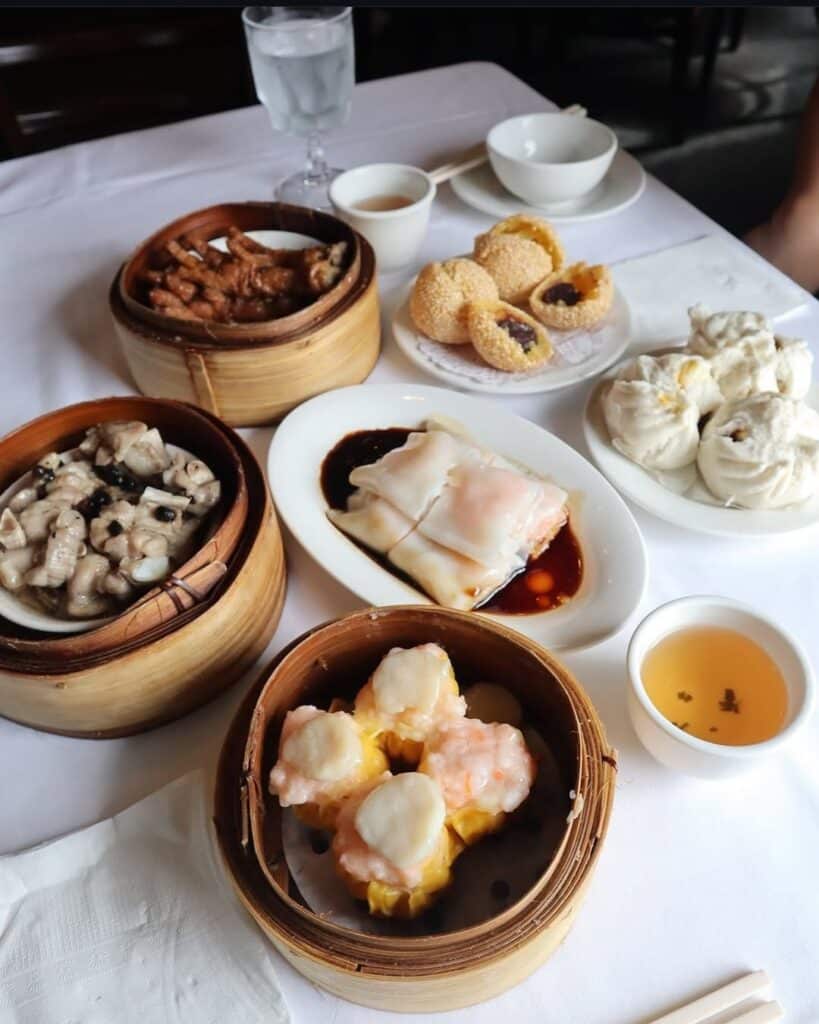
Your guide leads you past herb shops displaying ginseng roots in glass cases, then into a dim sum parlour where you taste har gow and siu mai from bamboo steamers still warm from the kitchen. The proprietor, whose family has run the counter since 1947, explains how they source their rice noodles from a supplier in Richmond and hand-fold each dumpling wrapper before the morning rush.
You turn into Fan Tan Alley, the brick walls narrowing until your shoulders nearly brush both sides, and stop at a tea merchant who brews oolong in a clay pot no larger than your fist. Three doors down, a noodle maker works dough on a steel table, cutting ribbons that will be blanched and dressed with sesame oil by noon. You emerge onto Pandora Avenue, circle back to a bakery for egg tarts—their crusts laminated and crisp, custard barely set—and finish at a herbalist who grinds dried tangerine peel into powder and seals it in paper sachets. The entire walk spans four blocks, but you've tasted five generations of recipes and crossed a century of immigration, commerce, and adaptation.
All the details about your upcoming adventure in one place
Victoria's Chinatown, established in 1858 during the Fraser Canyon Gold Rush, is the oldest surviving Chinatown in Canada and the second oldest in North America after San Francisco.
Chinese prospectors and labourers arrived by the thousands, transforming a mudflat at the mouth of the harbour into a dense quarter of clan associations, herbal dispensaries, and rooming houses pressed against Fan Tan Alley—at 35 inches wide in places, it remains the narrowest commercial street on the continent. By 1911 the district housed nearly 3,500 residents within four square blocks, its economy anchored by import merchants who supplied provisions to mining camps and railway gangs as far inland as the Kootenays.
Today the quarter retains its commercial grid along Fisgard Street, where hand-painted signboards hang above bakeries that have operated under the same family names since the 1920s. The Gate of Harmonious Interest, erected in 1981 and repainted in 2016, marks the ceremonial threshold at Government Street, its glazed tiles and bracket sets modelled on Qing Dynasty prototypes. Inside, storefronts sell lotus-paste buns, salted duck eggs, and winter melon cakes—recipes carried forward by second- and third-generation proprietors who learned their craft in kitchens with coal-fired ovens and marble pastry tables. A Victoria Chinatown food tour threads through these heritage blocks, pausing at dim sum parlours where dough is still rolled by hand and tea is poured from ceramic pots that predate the Second World War.
The district's culinary identity reflects the Toisan and Cantonese origins of its founding population, visible in the prevalence of char siu, congee, and steamed buns filled with barbecued pork or red bean paste. Fan Tan Alley, once lined with gambling dens and opium factories, now shelters artisan chocolate makers, teahouses, and noodle counters operating from premises no wider than a corridor. The Chinese Consolidated Benevolent Association, founded in 1884, continues to occupy its brick headquarters on Fisgard, anchoring a streetscape that survived urban renewal campaigns in the 1960s and earned National Historic Site designation in 1995. Guided culinary walks decode this layered geography, connecting contemporary vendors to the import networks, clan loyalties, and regional foodways that shaped the quarter's first century.

At 35 inches wide in places, Fan Tan Alley remains the narrowest commercial street on the continent.
Casual and comfortable clothing is recommended for walking tours in Victoria. Wear weather-appropriate layers as coastal temperatures can shift quickly during a victoria chinatown food tour.
Keep belongings minimal as space inside historic storefronts is limited. Large bags are generally discouraged on a victoria chinatown food tour to ensure easy navigation through narrow alleyways.
Photography is generally permitted in public areas and most participating eateries. Please respect the privacy of shop owners and fellow guests during your victoria chinatown food tour.
Families are welcome, though tours often involve significant walking and standing. Check age restrictions for each victoria chinatown food tour before booking.
The historic district features uneven sidewalks and narrow passages which may limit mobility. Contact your tour provider in advance to verify if a specific victoria chinatown food tour can accommodate specific needs.
The tour includes multiple culinary stops featuring local specialties. Outside food is not necessary, but guests should inform operators of dietary restrictions prior to the victoria chinatown food tour.
Operating Hours
00:00–23:59
Address
Fisgard Street, Victoria, BC V8W 1R4, Canada
Tour Access
Varies by vendor
Optimal Visit
10:00–16:00
Storage
Not provided by operators
Public transport · Varies · Budget-friendly
Use BC Transit lines heading toward downtown Victoria. Most routes drop off within a short walk of Fisgard Street.
Car · Varies · Cost of parking fee
Parking is available in nearby public garages or street parking zones. Ensure you arrive before your tour start time to locate parking.
Full refunds are typically available for cancellations made at least 24 hours before the victoria chinatown food tour start time. Please review individual operator terms as food tour tickets often carry specific non-refundable deposit conditions.
Recommended time
3-4 hours
A victoria chinatown food tour provides an immersive way to experience local culinary heritage while navigating the narrow corridors of Fan Tan Alley. Arriving during the 10:00–16:00 window ensures that specialty shops and heritage landmarks are fully accessible for your group. You should anticipate moderate congestion during midday hours, so securing victoria chinatown food tour tickets in advance helps maintain a smooth pace through these historic streets. Those interested in victoria chinatown food tour tours should allocate extra time if they wish to linger at cultural sites or capture photos of the vibrant architecture without the rush of victoria chinatown food tour tour crowds.
Crowd levels through the day
Weather · crowds · average price — dots go green to amber to red as each metric rises.
September offers mild temperatures perfect for walking and outdoor dining. Crowds thin out compared to summer peak travel times.
March to May features pleasant weather and the blooming of local gardens. It is an ideal time for a guided walking tour.
June to August provides the warmest weather for exploring historic sites. Advance booking is recommended due to high demand.
November to February is rainier, so indoor food stops are prioritized. Tours remain operational throughout the season.
Reserve your victoria chinatown food tour tickets at least one week in advance during peak season. This ensures your preferred time slot and dietary needs are accommodated.
Notify the operator of allergies at the time of booking. Many Victoria Chinatown food tour tours can accommodate vegetarian requests if notified early.
Wear supportive, flat shoes to handle historic cobblestone or uneven pavement. Comfort is essential for this multi-stop Victoria walking tour.
Always carry a light, waterproof layer even on sunny days. Victoria weather is unpredictable throughout the year.
Ask your guide for local favorites after the tour concludes. They often share recommendations for the best shops in this Victoria landmark district.
Victoria's Chinatown emerged in 1858 when thousands of Chinese miners arrived during the Fraser Canyon Gold Rush, transforming a muddy corridor into the oldest surviving Chinatown in Canada. By the 1860s, Fisgard Street had become a self-contained enclave where Cantonese merchants established grocery stores, herbal medicine shops, and tea houses that fed a transient population of laborers. The district's culinary identity took root in these early decades: dried seafood, preserved vegetables, and rice wine arrived by clipper ship, while bakeries turned out char siu bao and moon cakes for homesick miners. The completion of the Canadian Pacific Railway in 1885 brought a second wave of settlement, but also the introduction of the Chinese Immigration Act and a punitive head tax that restricted family reunification and deepened the community's insularity. The 1907 anti-Asian riots scarred the district, yet its food economy proved resilient. By the 1920s, Fan Tan Alley—originally a network of gambling dens and opium parlors—had evolved into a dense corridor of noodle factories, bean-curd makers, and roast-meat vendors. The Chinese Exclusion Act of 1923 nearly extinguished new immigration, but the families who remained kept restaurant kitchens running through the Depression and Second World War. When exclusion laws were repealed in 1947, a modest revival began. New restaurants serving dim sum and Cantonese banquet fare appeared along Fisgard Street, catering to both the Chinese community and a growing number of non-Chinese diners curious about the cuisine. By the 1980s, urban decay threatened the district's survival. Heritage designation in 1995 stabilized the architecture, and over the following decade, a new generation of entrepreneurs began offering victoria chinatown food tour experiences that emphasized the historical layers beneath the contemporary streetscape. Today, visitors on a victoria chinatown food tour walk the same lanes where miners once bought salted fish and steamed buns, sampling har gow and pineapple buns in buildings that have served food for more than a century.
Chinese miners arrive during the Fraser Canyon Gold Rush, establishing the first grocery stores and tea houses on Fisgard Street.
Cantonese merchants open bakeries, dried-seafood shops, and noodle stalls, creating a self-sufficient culinary enclave.
Railway completion brings growth, but the head tax and Exclusion Act restrict immigration and isolate the community.
Anti-Asian riots damage businesses, yet food vendors and roast-meat shops rebuild and continue operating.
Fan Tan Alley transforms from gambling corridor into a dense network of noodle factories and bean-curd makers.
Repeal of exclusion laws allows modest revival; dim sum restaurants and banquet halls open along Fisgard Street.
Heritage designation protects historic buildings, stabilizing the district after decades of urban decay.
Guided food tours emerge, connecting visitors to the district's layered culinary history and immigrant foodways.
Stand at the narrowest point of this historic corridor to capture the red brick walls and hanging lanterns. This iconic passage is a staple of any victoria chinatown food tour.
Position yourself across the street to frame the ornate, colorful structure against the sky. This landmark serves as the grand entrance to the district.
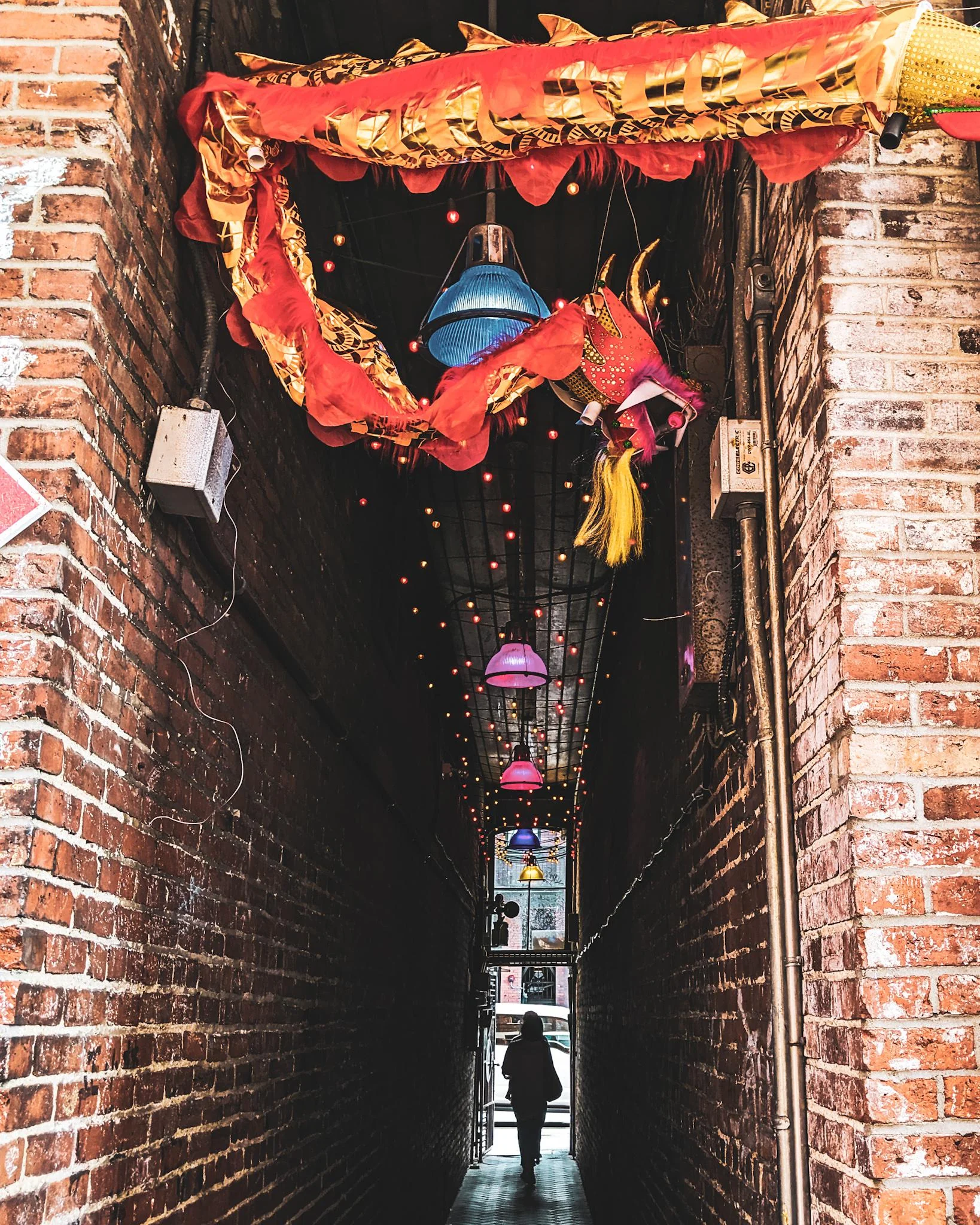
Walk into this quieter, hidden walkway to photograph the eclectic murals and weathered wooden textures. The soft light here is perfect for detailed street photography.
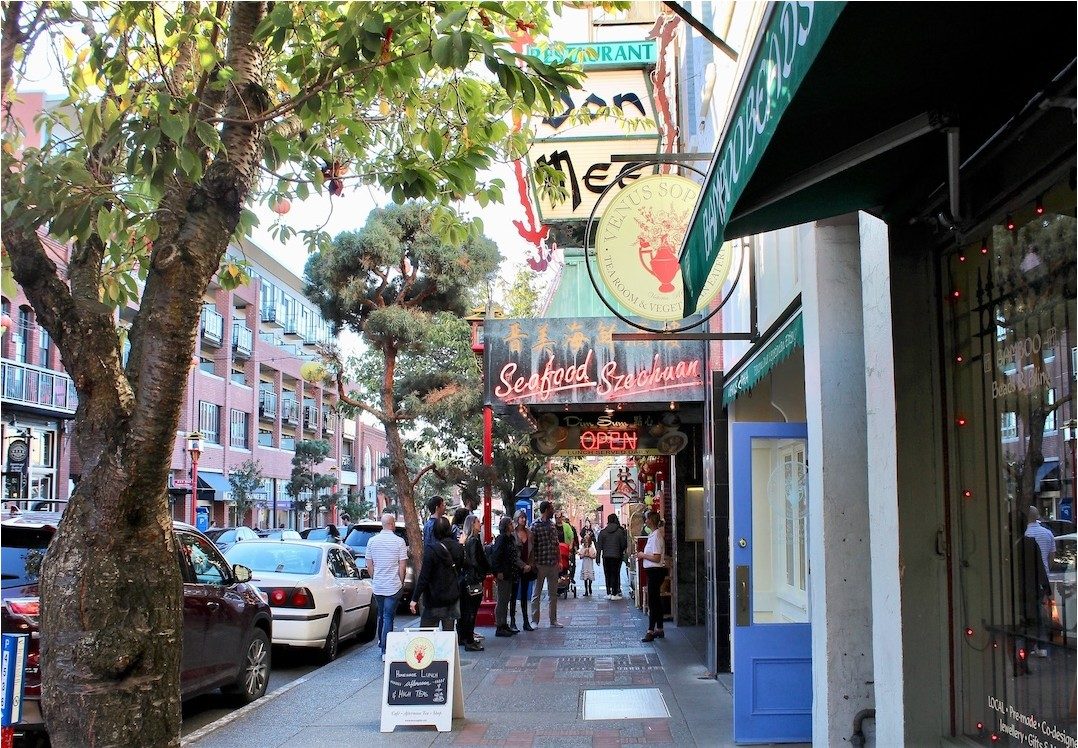
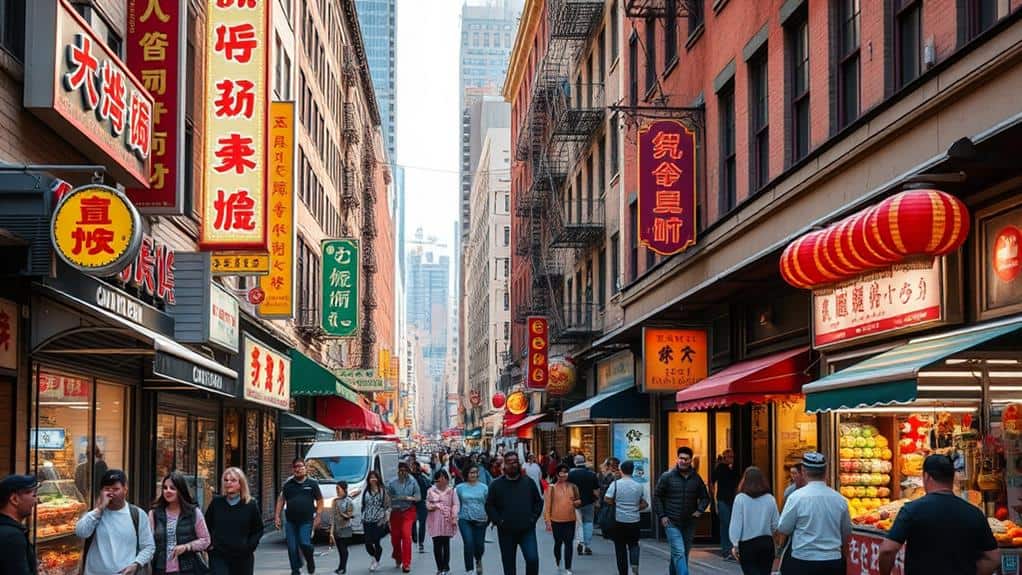
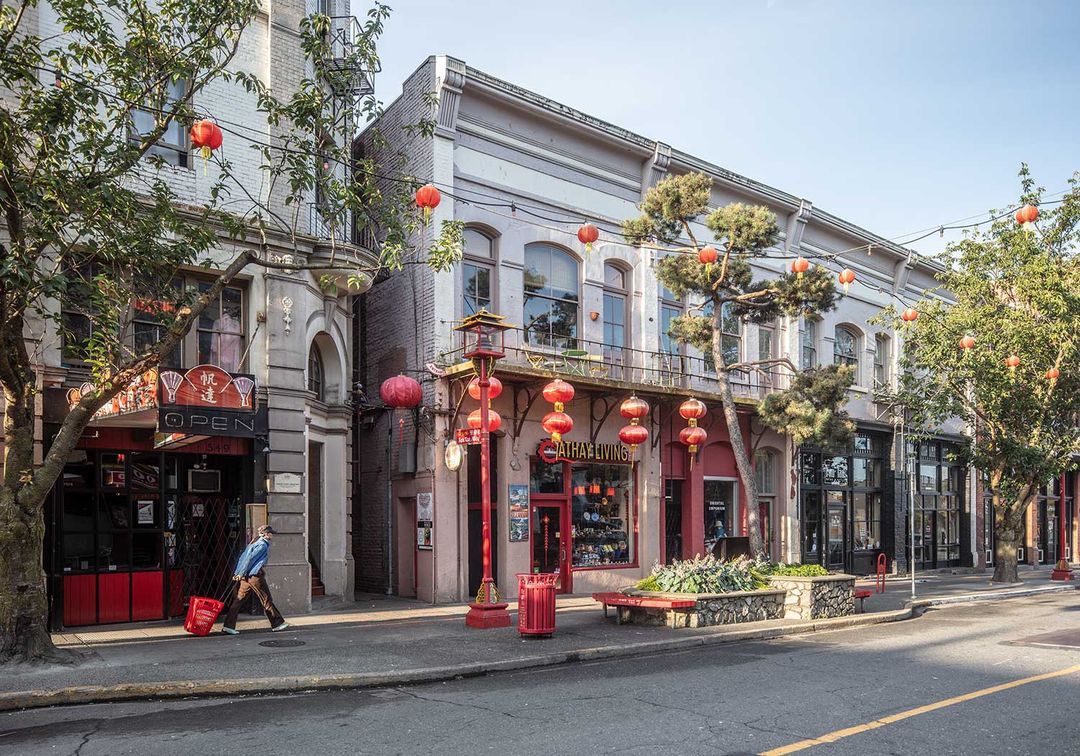
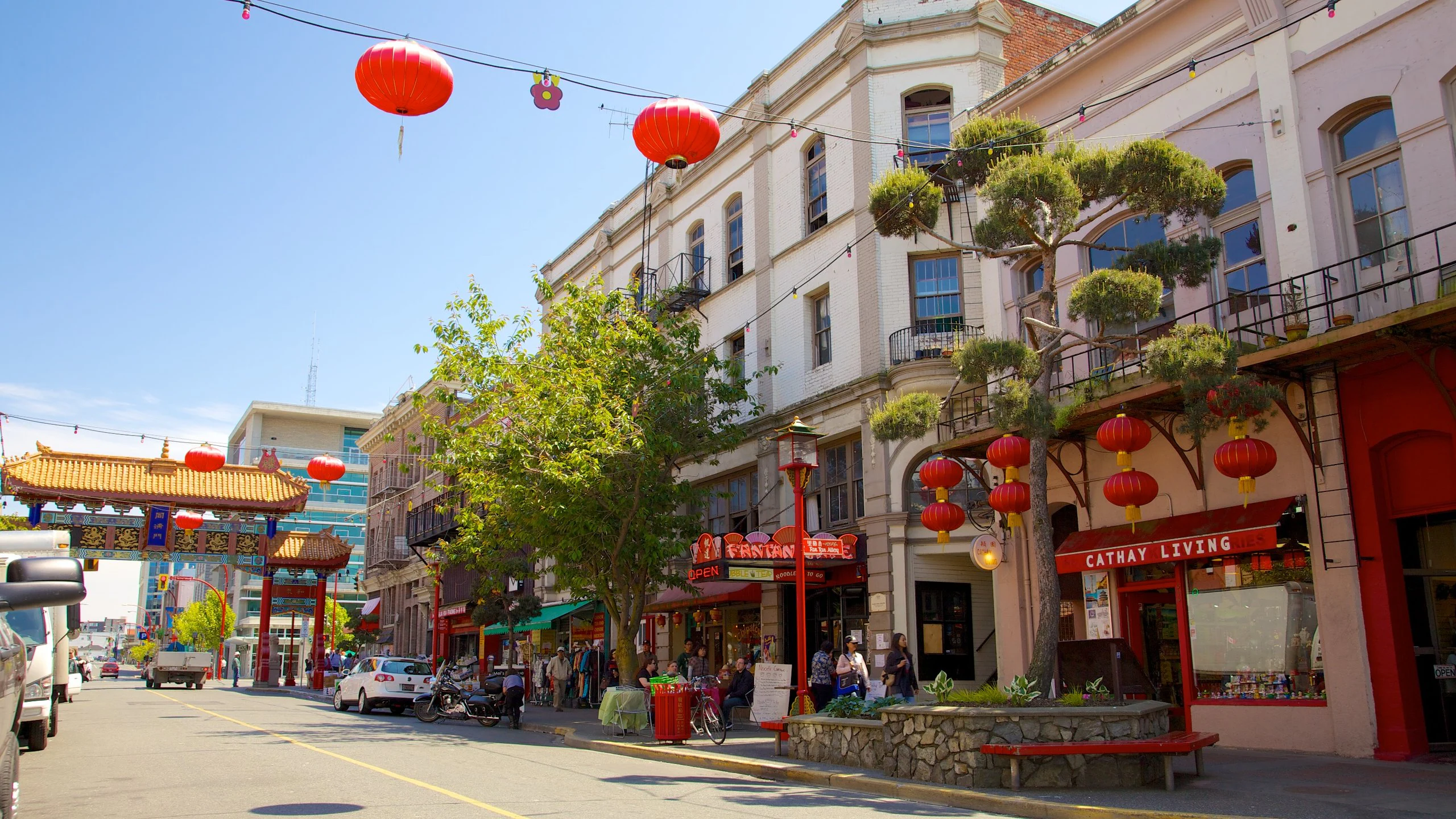
Frame the colorful heritage buildings and ornate signage from the opposite sidewalk. These structures provide the classic backdrop for those seeking victoria chinatown food tour tours.
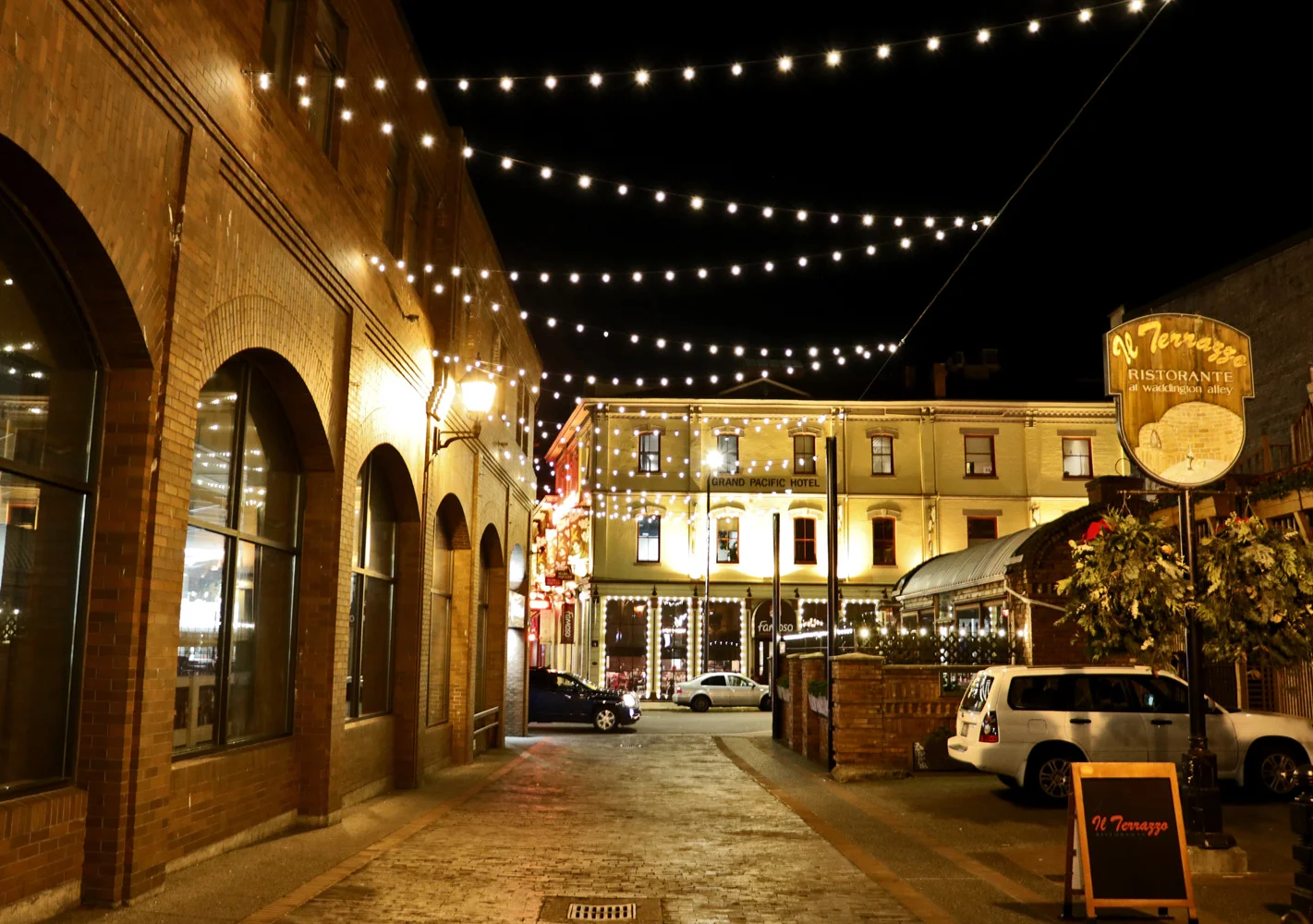
Capture the juxtaposition of old-world brickwork and modern culinary discovery near this nearby heritage lane. Many visitors include this spot when purchasing victoria chinatown food tour tickets.
Exploring the historic district with children offers a unique chance to experience local culinary traditions during a victoria chinatown food tour. Navigating these narrow streets and aromatic shops provides an engaging, sensory-rich outing for families.
Most of the area features flat pavement, but narrow historic alleyways like Fan Tan Alley can be tight for large double strollers. It is often easier to use a baby carrier if you plan to enter smaller shops during your Victoria culinary tour.
Many vendors offer bite-sized samples that appeal to younger palates, though it is wise to check for specific dietary ingredients beforehand. Participating in victoria chinatown food tour tours allows families to sample local delicacies without committing to full restaurant meals.
Public washrooms are located within the broader district, but they can be limited, so plan stops accordingly before your victoria chinatown food tour tickets are scanned. Many historic buildings lack modern baby-change tables, making pre-arrival planning essential.
Children aged six and older typically gain the most from the historical narratives, while younger toddlers enjoy the vibrant colors and snack stops. Booking victoria chinatown food tour tour experiences during the 10:00–16:00 window ensures that most shops are open for little explorers.
Exploring the historic streets near your victoria chinatown food tour reveals a diverse culinary landscape ranging from traditional dim sum to modern fusion cafes. Visitors can easily find local eateries along Fisgard Street to supplement their victoria chinatown food tour tours experience.
A long-standing venue offering traditional cart-style dim sum in a spacious dining room. Arrive early on weekends to secure a table for popular lunch dishes.
Located right in the heart of the district, this spot serves classic comfort dishes and noodle bowls. It provides a convenient stop when securing your victoria chinatown food tour tickets for a midday meal.
This specialized shop features premium organic teas and herbal infusions perfect for a refreshing break. It is an ideal stop for those looking to enjoy local flavors after finishing a Victoria guided culinary walk.
Everything you need to know for your journey
The historic district is open 00:00–23:59 daily, but specific food vendors follow their own schedules. Always arrive during the 10:00–16:00 arrival window for the best experience.
Yes, you must purchase victoria chinatown food tour tickets in advance through your chosen operator to ensure a reserved spot.
While the district is open to the public, the historic nature of the buildings may limit accessibility for somevictoria chinatown food tour participants.
Yes, personal photography is permitted. Capturing the unique architecture adds value to your victoria chinatown food tour memory.
Autumn is an excellent time for a victoria chinatown food tour due to the mild weather and reduced crowds.
There is no formal dress code, but comfortable, casual attire and sensible walking shoes are recommended for every victoria chinatown food tour.
Cancellation terms depend on the operator. Generally, check your voucher for refund conditions related to your victoria chinatown food tour tickets.
Yes, families are generally welcome, though it is best to check the specific victoria chinatown food tour age policy before booking.
Fisgard Street is located in the heart of downtown. You can reach the area via public transit or use local parking garages near the Victoria Chinatown food tour start point.
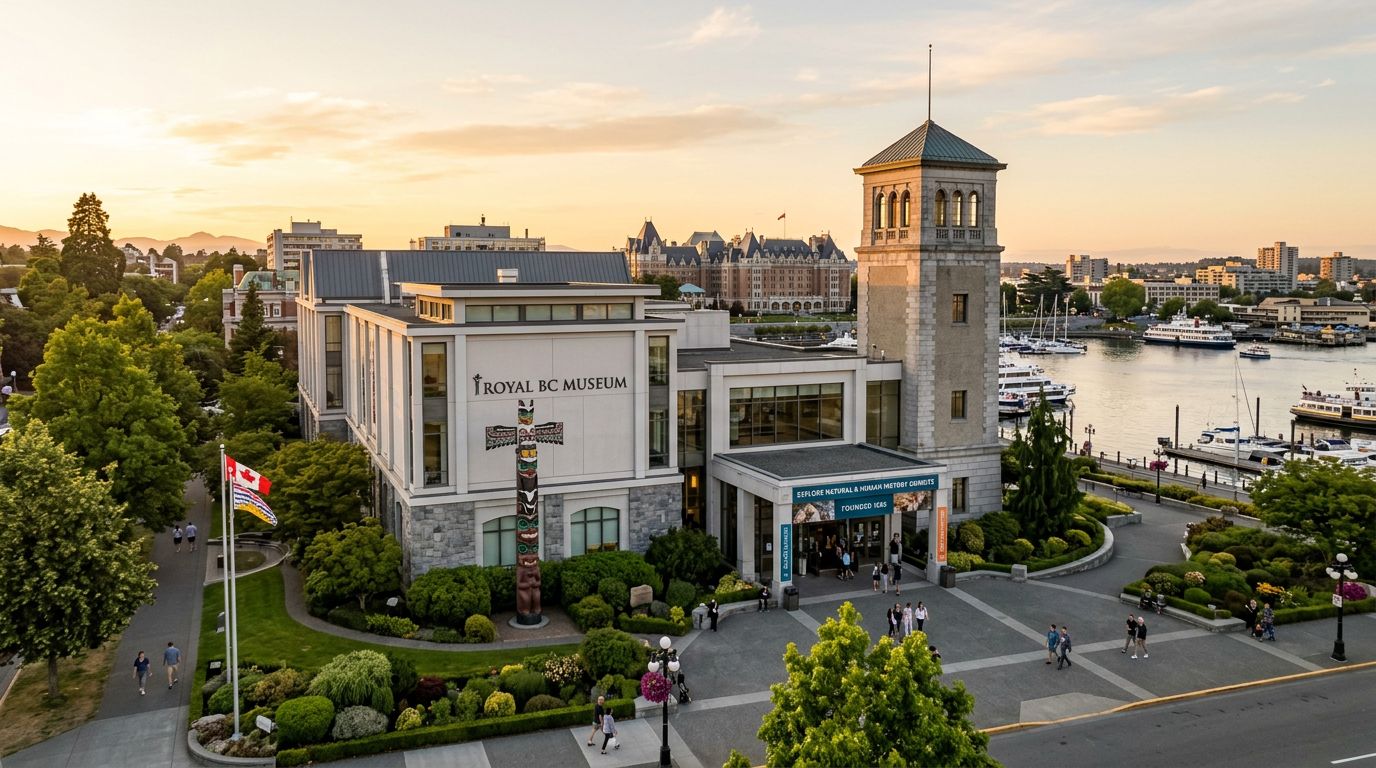
Explore natural and human history exhibits. This institution is a cornerstone of the Victoria landmark scene.
The scenic heart of the city features historic architecture and marine views.
A historic collection of buildings featuring unique local shops and cafes.
View the impressive architecture of the provincial legislature at night or day.
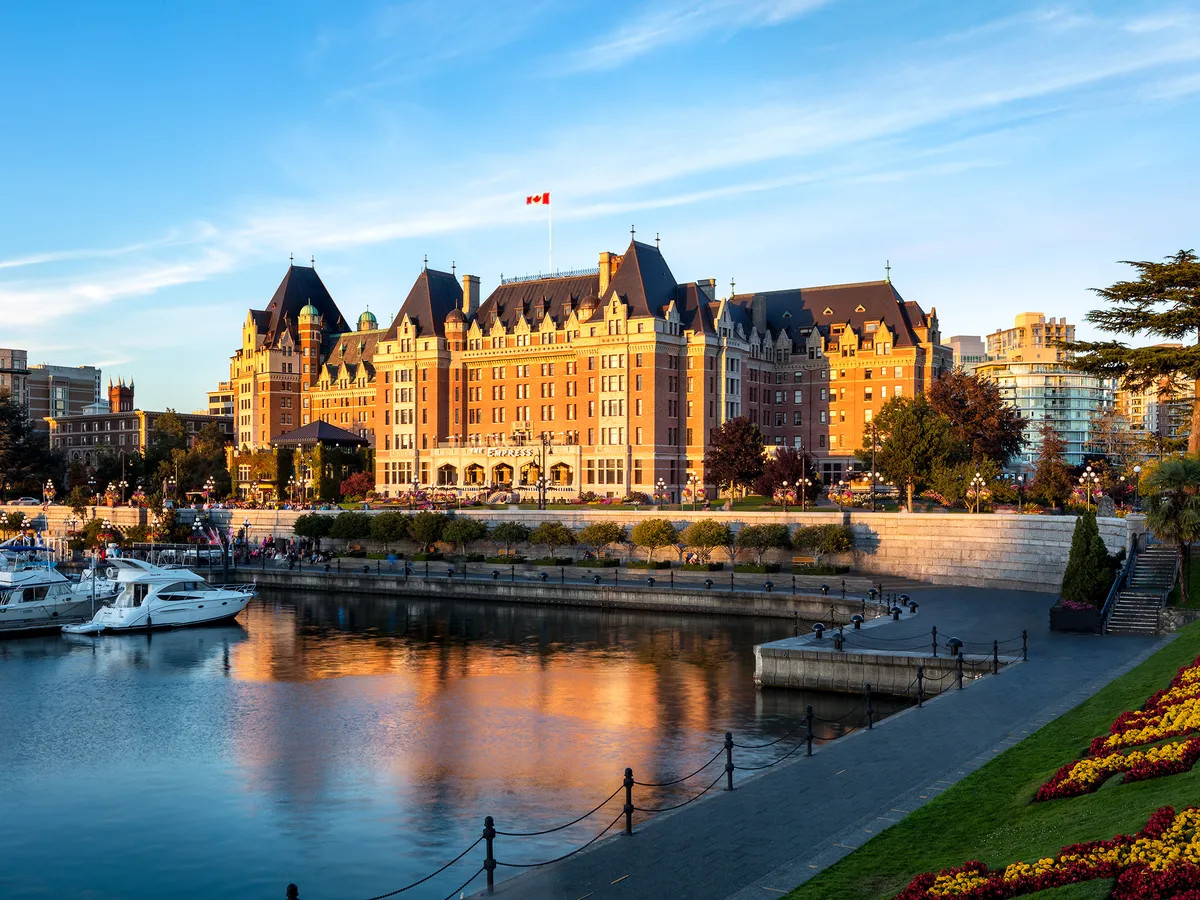
Iconic historic hotel overlooking the harbor.
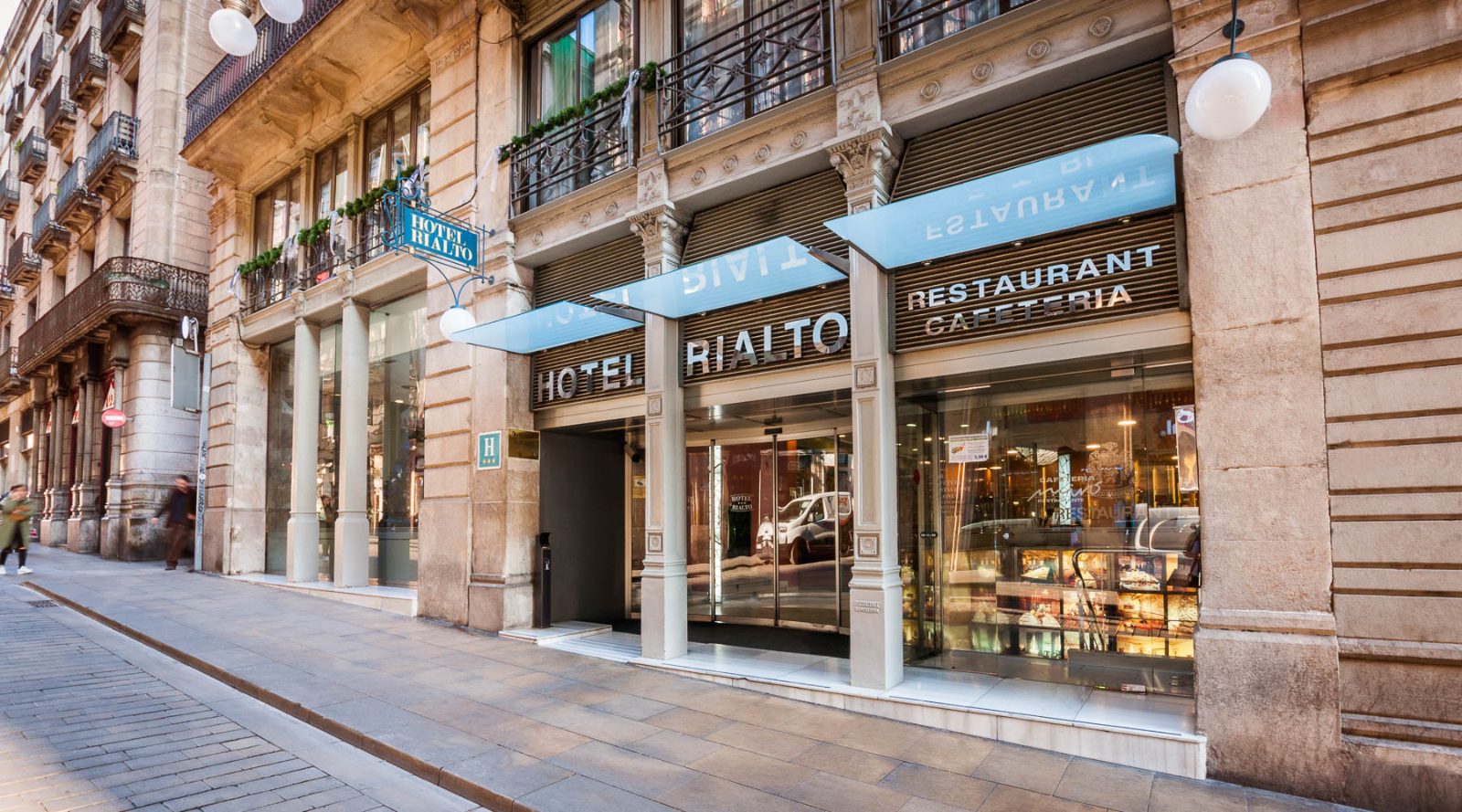
Stylish lodging located within walking distance of the historic district.
Numerous options located directly within the city core.
Join thousands of happy travelers who have discovered this incredible experience
Book Your Experience Now